

Goodbye Thanksgiving (well, for some of us), hello Christmas! The holiday season really is the best, and it always brings interesting robotics news, which we will now distill into a quick dose of delightful and easily-digestible tidbits. As always, if you’d like to see your work showcased here, please send an email to robotics.community@c

Continuing in our series on CLI-only MAAS operation, it’s time to deploy machines. In the previous post, we reached the point of creating and commissioning machines, using only the MAAS CLI. Moving forward, there are two key steps: acquiring machines, and then deploying them. Let’s take a look Acquiring a machine using the CLI When
The web team here at Canonical run two week iterations. Here are some of the highlights of our completed work from this iteration. Web squad Our Web Squad develops and maintains most of Canonical’s promotional sites like ubuntu.com, canonical.com and more. Anbox Cloud UI To make it easier for customers to manage their various Anbox

Weighing the options with an Ubuntu 16.04 upgrade Ubuntu 16.04 LTS Xenial Xerus is transitioning from its five-year standard security maintenance window in four months, leaving many asking the question: can I manage an Ubuntu 16.04 LTS upgrade by April 2021, or do I need more time to plan this migration? In the Less than

This article describes how easy it is for users of Charmed Kubernetes to switch from the Docker container runtime to containerd. You may have heard that Kubernetes is deprecating Docker as a container runtime after v1.20. Docker as an underlying runtime is being deprecated in favor of runtimes that use the Container Runtime Interface(CRI)

Time passes by! A year has passed since SUSE announced its decision to discontinue SUSE OpenStack Cloud, and many enterprises are already affected. This is because SUSE OpenStack Cloud 8 reaches the end of life (EOL) in late May 2021. There are 6 months left to solve this problem. So it is time to think

The world of software is a vast and complex one, often too difficult to easily assess by human intuition alone. Which is why detailed and accurate measurements of software behavior are essential in helping us understand and gauge how well our applications perform. The Snap Store has a fair share of productivity tools and utilities,

Ubuntu and Launchpad use OpenPGP keys heavily. Each source package is signed with the uploader’s key, and binary and source package downloads from Ubuntu’s primary archives and from users’ Personal Package Archives (PPAs) are indirectly signed by the publisher process with per-archive keys of its own. Access to Launchpad’s bug-manipulatio

Newsletter signup
The whole point of MAAS configuration is to get machines deployed. If you read the previous post in this series, you know how to install MAAS and do basic configuration using only the MAAS Command-Line Interface (CLI). So far, so good, but now we need to enable networking and create some machines. Enabling DHCP The
OpenStack, the cloud computing platform, has proved to be a beacon of success for open source. It rounds off 10 years in existence this year, a period which has seen it reach nearly 200 countries, and we want to look ahead to what the future holds for the technology. We’ve spoken to a number of

One install, one cluster, snap! Today, we’re excited to announce that EKS is available outside of AWS, on any Ubuntu system, with the EKS snap. This announcement builds on the existing collaboration between Amazon and Canonical to ensure the quality, security, and usability of Ubuntu-based EKS clusters on AWS. “Amazon EKS Distro (EKS-D) b
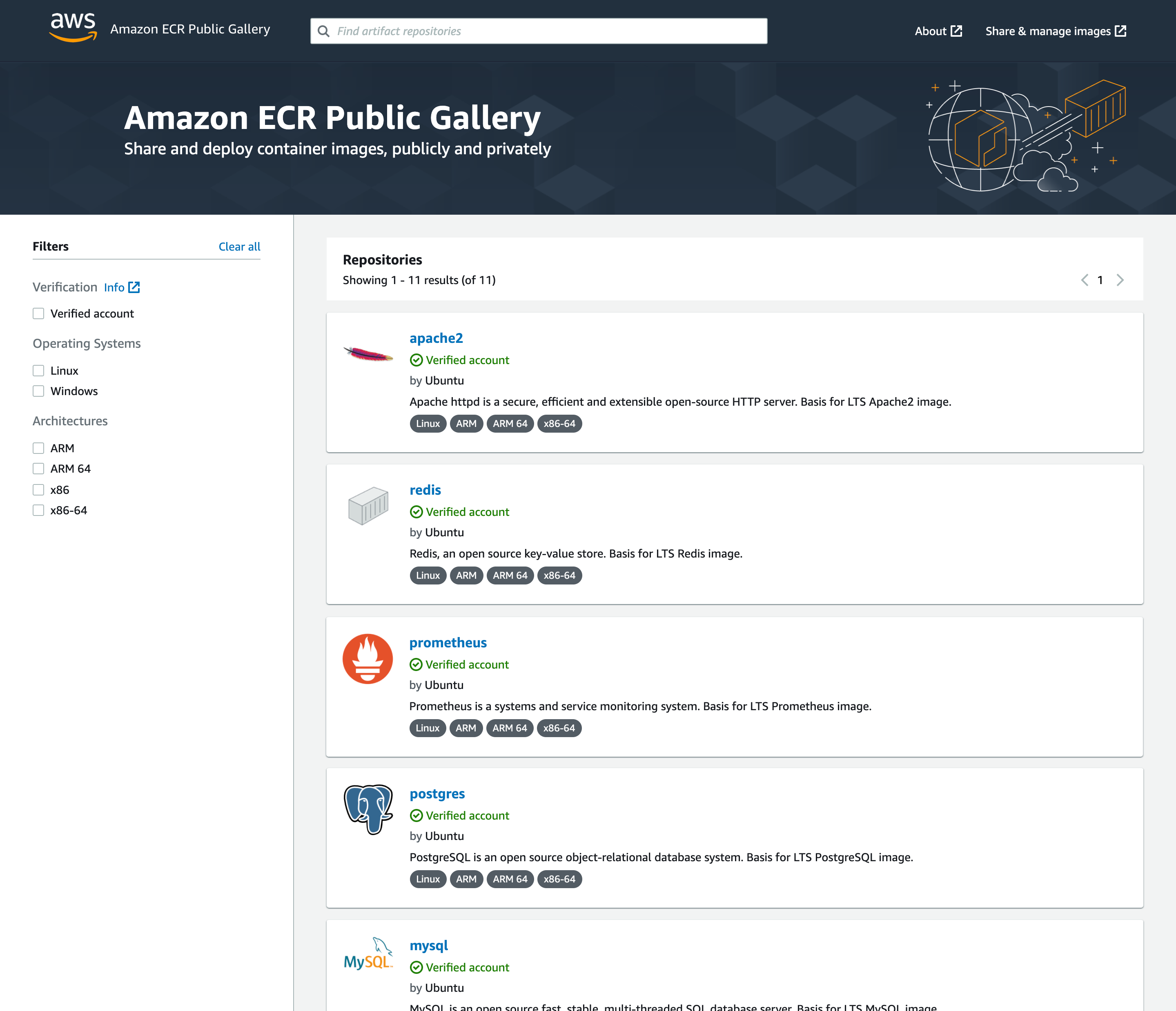
Today, Canonical announced the availability of its curated set of secure container application images on Amazon ECR Public, complementing the current offering. Multiple registries, one product Developers now also have access to the LTS Docker Image Portfolio from the Amazon ECR Public registry. Free and commercial versions of the hardened
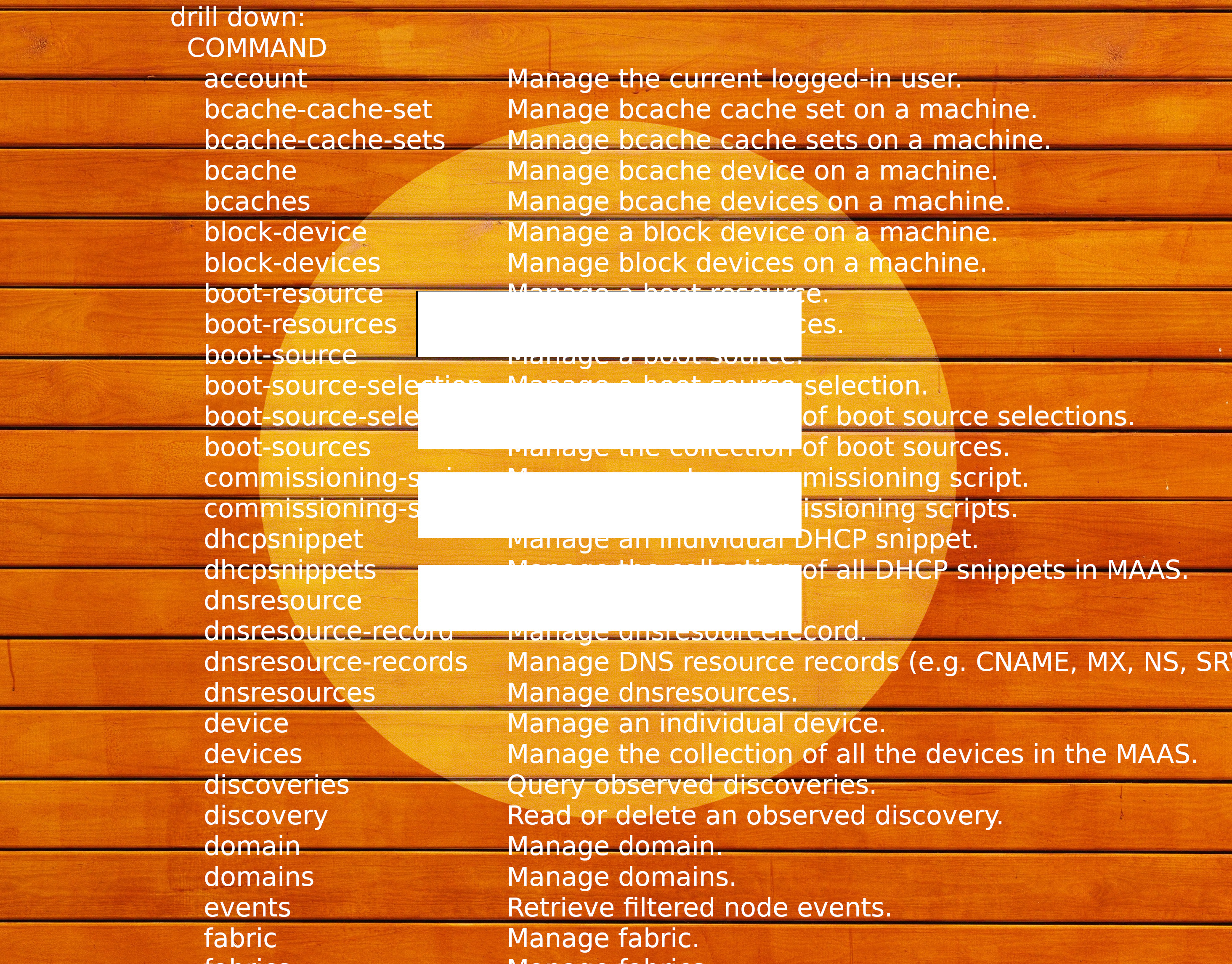
MAAS provides a state-of-the-art User Interface (UI), which is relatively simple to use, if the required inputs are known and understood. You may be less familiar with the MAAS Command Line Interface (CLI), which is actually more robust, providing additional functionality that’s not accessible via the web UI. In this series of blog posts,

Language translation. Easily said, not easily done. Human languages have evolved over the past 30,000 years, tightly coupled to culture and collective memories of peoples, which is why, even today, we often struggle with fine nuances of meaning and context, especially when they need to be expressed in another language. But then, if we str

A Linux kernel for each developer team, which uses it to bring up target boards. Bespoke, built, issued, and maintained over years by the vendor. Teams that focus on building great apps, rather than figuring out hardware dependencies. Happy developers that bootstrap smart devices in no time. This is what highly productive embedded systems
The web team here at Canonical run two-week iterations. Here are some of the highlights of our completed work from this iteration. Meet the team Hi, I am Carlos Wu. I work for the Webteam as a web developer, and I just recently reached 1 year at Canonical! I have worked previously in a number
Ubuntu tech blog
Deep dives for developers
Visit the Ubuntu Tech Blog for deep dives into product features, step-by-step tutorials, and the latest updates from Canonical's engineering teams.